Category: Fentanyl Detox

Supporting a Loved One Through Fentanyl Addiction: What Helps (and What Backfires)

Key Takeaways:  Avoid Enabling Behaviors: Actions like giving money, paying bills, or making excuses for your loved one can unintentionally support their addiction. Instead, focus on support that encourages recovery. Set and Enforce Boundaries: Healthy boundaries protect your well-being and create structure for your loved one. Clearly communicate and consistently uphold these boundaries. Prioritize Self-Care: […]
Read Full Article

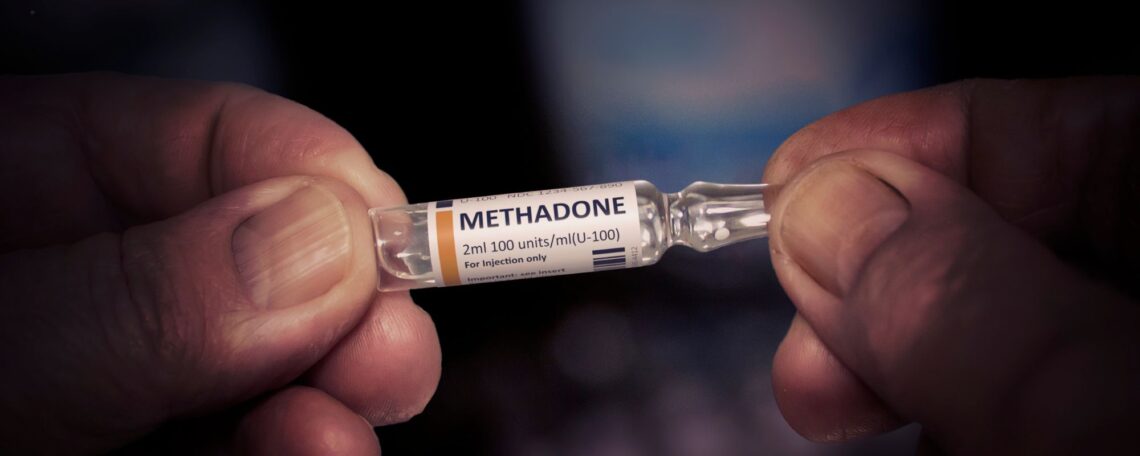
Medications for Fentanyl Addiction: How Methadone, Buprenorphine, and Naltrexone Work

Key Takeaways:  MAT Options for Fentanyl Addiction: Methadone, Buprenorphine, and Naltrexone are the primary medications used to treat fentanyl addiction, each with unique mechanisms, benefits, and challenges. Stigma vs. Science: MAT is often misunderstood as “trading one addiction for another,” but it is a medically proven approach that stabilizes brain chemistry and supports recovery. Choosing […]

Read Full Article

Which Level of Care Is Right for Fentanyl Use? Outpatient vs Inpatient vs MAT

Key Takeaways:  Fentanyl Requires Specialized Care: Due to its potency, fentanyl addiction often demands higher-intensity treatment options like residential care or medication-assisted treatment (MAT) to manage severe withdrawal symptoms, cravings, and overdose risks. Residential Treatment is the Gold Standard: For those actively using fentanyl, residential treatment offers 24/7 support, separation from triggers, and intensive therapy, […]

Read Full Article

Am I Addicted to Fentanyl? Self-Check Questions to Understand Your Use

Key Takeaways:  Cravings and Mental Preoccupation: If fentanyl occupies your thoughts, triggers intense cravings, or causes you to rearrange your life around its use, it may signal a deeper issue. Intense opioid cravings are a hallmark of opioid dependence and opioid use disorder, often making it difficult to focus on anything else. Tolerance and Escalation: […]

Read Full Article

Detoxing From Fentanyl: What Really Happens and How Long It Takes

Key Takeaways:  Fentanyl Withdrawal Timeline: Withdrawal progresses through four phases—initial symptoms start within 6-12 hours, peak intensity occurs on days 1-3, and physical symptoms subside by day 4-7, but emotional and mental challenges (PAWS) can last for months. Risks of At-Home Detox: Detoxing at home is dangerous due to risks like dehydration, aspiration, mental health […]

Read Full Article

Help for Fentanyl Use: From Harm Reduction to Full Treatment, What Are My Options?

Key Takeaways:  Harm Reduction as a Starting Point: Services like naloxone access, fentanyl test strips, and syringe programs focus on immediate safety, reducing risks without requiring abstinence. Outpatient Counseling for Flexibility: Options like individual therapy, group sessions, and intensive outpatient programs (IOPs) help build coping skills while maintaining daily responsibilities. Medication-Assisted Treatment (MAT): Medications like […]

Read Full Article

Fentanyl in Fake Pills: Why ‘Just One Pill’ Can Still Be Deadly

Key Takeaways:  Counterfeit Pills Are Everywhere: Fake pills, often laced with fentanyl, are designed to look like legitimate medications such as Xanax, Adderall, or Oxycodone, making them nearly impossible to distinguish from the real thing. Fentanyl Is Extremely Lethal: Just a few grains of fentanyl can be fatal, and the uneven mixing in counterfeit pills […]

Read Full Article

Is Fentanyl Ever Safe? Medical vs. Illicit Use

Key Takeaways:  Medical vs. Illicit Fentanyl: Pharmaceutical fentanyl, used under strict medical supervision, is a powerful tool for managing severe pain, while illicit fentanyl, often mixed with other drugs, is unpredictable and highly dangerous. Safe Medical Use: Fentanyl is generally safe for opioid-tolerant guests when prescribed for conditions like cancer pain or surgery, with controlled […]

Read Full Article

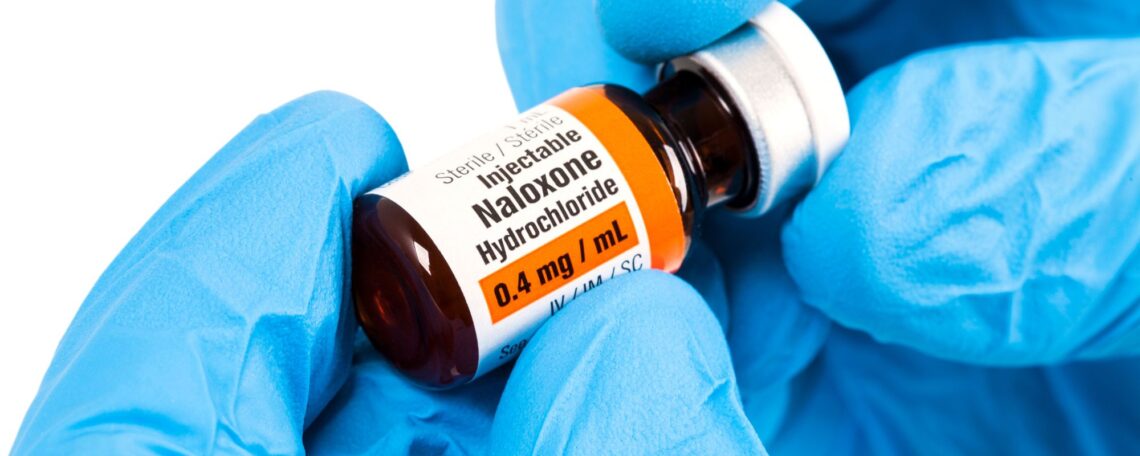
Naloxone and Fentanyl: How Overdose Reversal Works and What It Can (and Can’t) Do

Key Takeaways:  How Naloxone Works: Naloxone is an opioid antagonist that reverses overdoses by displacing opioids like fentanyl from brain receptors, restoring breathing within minutes. Fentanyl’s Challenges: Fentanyl’s potency and rapid onset often require multiple naloxone doses due to its strong receptor binding and longer duration in the body. Accessing Naloxone: Naloxone is widely available […]

Read Full Article

Fentanyl Overdose Symptoms: What They Look Like in Real Life

Key Takeaways:  Fentanyl Overdose Happens Fast: Fentanyl’s potency and speed can cause overdoses almost immediately after use, leaving little time to act. Recognize the Opioid Triad: The three classic signs of an opioid overdose are pinpoint pupils, unconsciousness, and respiratory depression. Emergency Steps Save Lives: Call 911, administer naloxone (multiple doses may be needed), and […]

Read Full Article